

This past year I’ve done fewer commercial jobs and more narrative films. I was offered a handful of feature opportunities and took it as a sign to go all in and just see what was ahead. What followed was three feature films shot consecutively, 1-2 days in between and 2 more pending in 2026.
01. Prepping three films simultaneously is a different animal
Coming from a commercial background where you might have two days to shoot a 45-second spot, narrative film demands a different kind of mental preparation. Normally I’d read a script, revisit it, and refine my notes over time. But when films are back-to-back-to-back, you’re essentially prepping for all three at the same time.
Adding to that, working with the different directors and writers, you have to be intentional about approaching each film with a completely clean stylistic slate. The goals and visual language of one film can’t bleed into the next.
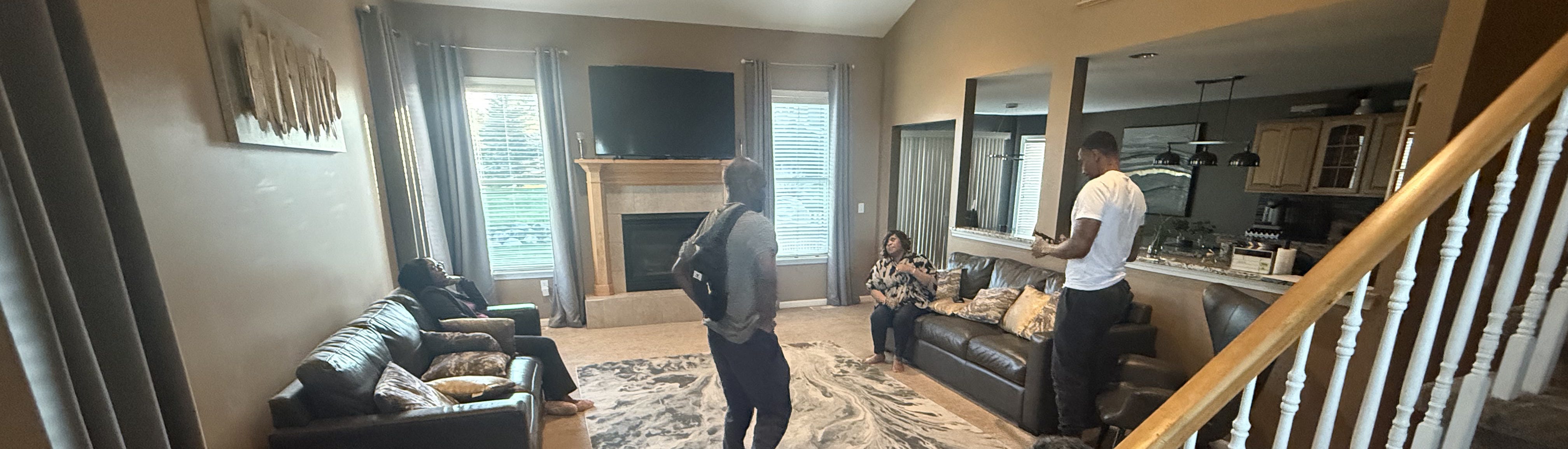
02. Asking “what’s unexpected?” changed how I shoot
The biggest shift in my process this year was a single question I started asking before each shooting day:
“what do people expect to see here” and “how can I give them something they’re not expecting?”
Then I would follow-up with;
“does that unexpected choice enhance what the audience needs to receive from this scene, or does it take away from it?”
That question pushed me out of the standard DP thinking and into something more intentional. It wasn’t just about shot selection anymore.
It bled into white balance decisions, color temperature choices, leaning hard into cool and green for a nightmare-interior-blue hour-awakening scene rather than finding a neutral temp and adding the style it in post.
The director noticed. There were moments on set where the look we were developing genuinely excited the room. Here are some moments from a few scenes.
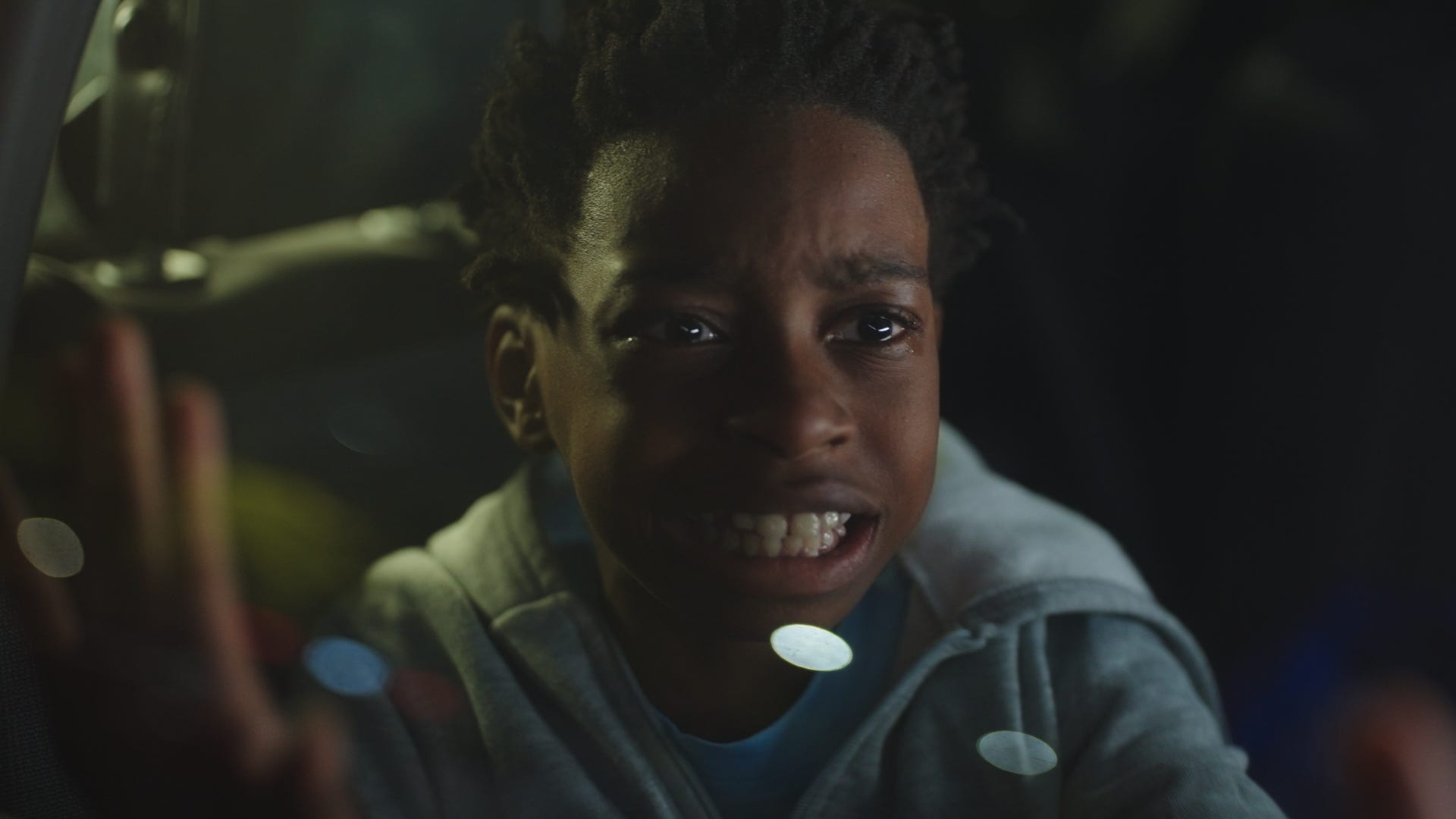
You can view our Instagram post for more examples HERE.
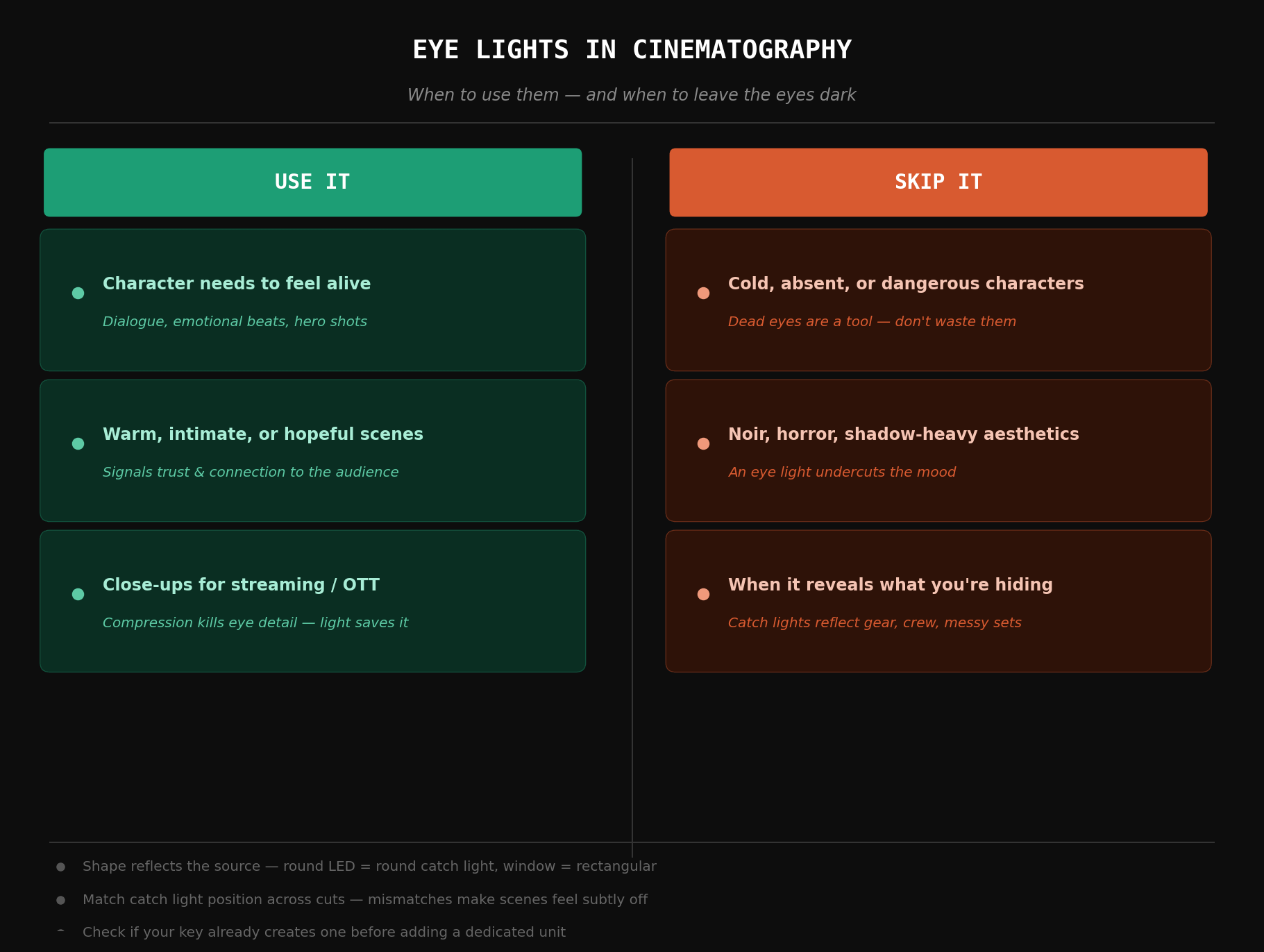
When to add eye light?

03. The right tools for the moment, not just the right tools in general
We had a scene that called for a jib high-to-low move pushing into a close-up on someone’s eyes with no focus puller available that day. A motorized head wasn’t on our jib. Manual focus during that move wasn’t realistic. So we swapped to an autofocus lens.
The key thing I communicated to our gaffer and AD was “you want an autofocus lens that doesn’t call attention to itself.” Same color rendering, similar contrast, nothing that makes it feel like a foreign shot cut into a sequence of primes. Sigma, G Master, certain Zeiss options all work well here. The lesson extends beyond lenses too: if you’re shooting on a Venice or C400, having a small mirrorless body in your kit that gives a close enough representation of your A cam is genuinely useful for mounting cameras, dashboard shots, tight spaces, and unexpected situations.
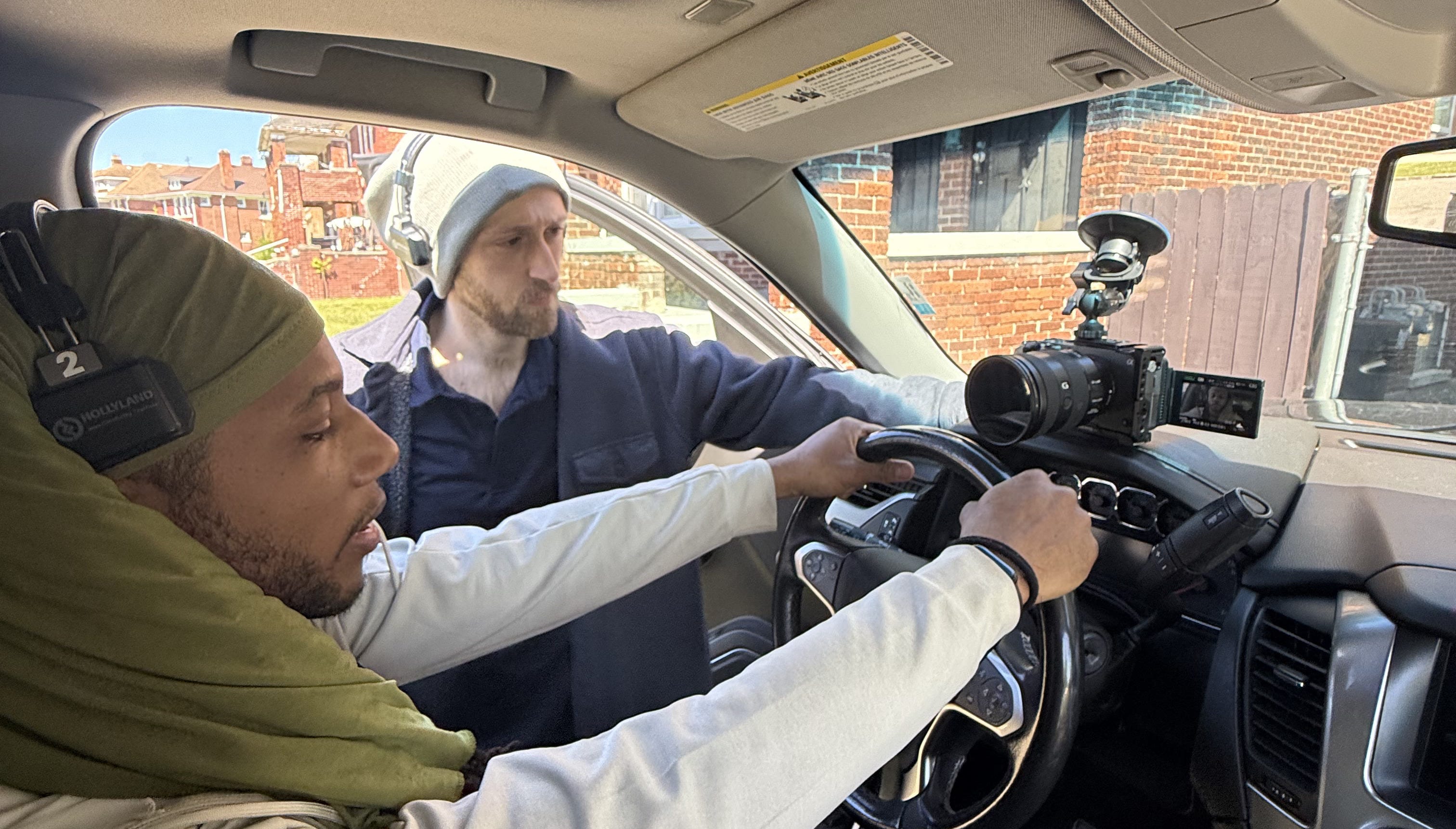
A lot learned and much more to share. We haven’t even scratched the surface of what’s to come.
Past Readings:
Why Talented Filmmakers Are struggling - And What the Ones Winning Are Doing Differently
Nobody taught you what to do with the money after the invoice clears. (Paid)
Upcoming:
How I shot a feature and still took other bookings?
Podcast Ep. 1: A conversation with a video freelance who owns multiple commercial real estate!